
Battery energy storage systems are becoming a fundamental part of modern power infrastructures. At their core, these systems store electrical energy for use when generation and demand are out of sync. This capability helps stabilize electricity supply, support integration of renewable sources like wind and solar, and provide backup power during outages. Battery energy storage systems can range from small units for commercial buildings to expansive grid installations designed to serve utilities and large industrial clients.
What Is a Grid Scale Battery Energy Storage System?
A grid scale battery energy storage system refers to large-capacity installations that can store significant amounts of electrical energy and deliver it on demand. These systems connect directly to the electricity grid and work to balance supply and demand over minutes, hours, or even longer timeframes. They can absorb excess generation during periods of low demand and release that energy when demand peaks. For utilities and energy project developers, this helps optimize generation assets, reduce reliance on fossil fuel plants for peak load, and enhance grid reliability and resilience.
Introducing HyperBlock M by HyperStrong
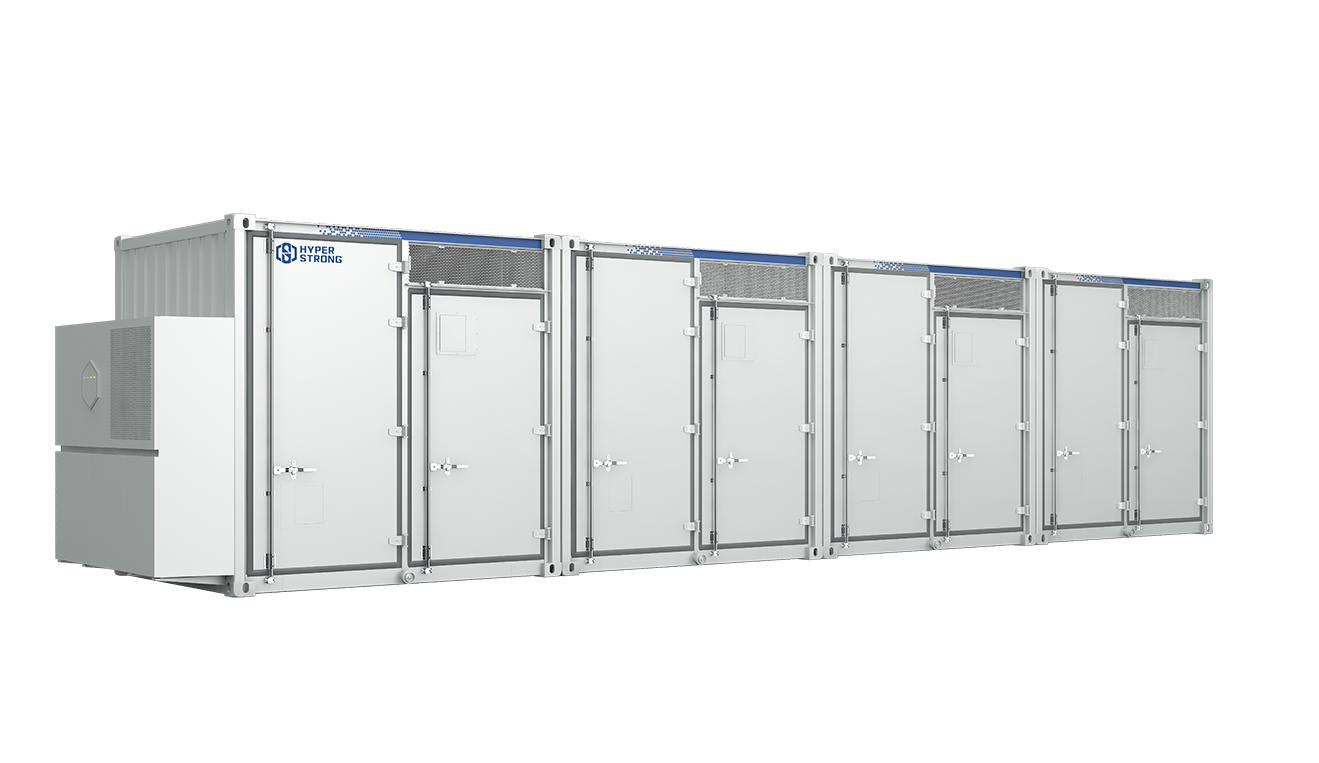
HyperBlock M is a grid scale battery energy storage system offered by HyperStrong designed with utility-scale requirements in mind. It is built on the MagicBlock platform, offering modular configurations that allow customers to tailor capacity and layout according to project needs. The system supports both AC and DC versions and can be arranged side by side or back to back for expanded installations.
The HyperBlock M emphasizes efficient energy conversion through a high-performance PCS and advanced thermal management, which helps maintain operational stability across varying conditions. Built-in intelligent monitoring tools enable users to track key performance metrics such as system health and round-trip efficiency, making it suitable for dynamic grid applications.
Benefits for Utilities and Developers
Adopting a grid scale battery energy storage system like HyperBlock M can support a range of use cases. These include smoothing renewable energy output, managing peak demand periods, and providing reserve capacity in times of grid stress. Its modular design also simplifies transportation and site assembly, which can reduce logistical complexity and support deployment in diverse environments.
Conclusion
A battery energy storage system provides a reliable method for storing and dispatching electricity, addressing the variability of renewable energy sources and helping maintain grid balance. Systems such as the HyperBlock M from HyperStrong represent a practical and scalable approach for organizations seeking to integrate large-scale energy storage into their power portfolios. With its flexible configuration and advanced monitoring capabilities, it supports more consistent and adaptable energy management for grid operators and project developers.