Best 5 Public Seating Companies in 2026 for Municipal Buildings
Admin
Outfitting a municipal building presents a unique set of challenges that differ significantly from private commercial projects. Public spaces, such as city halls, courthouses, and community centers, require a delicate balance between fiscal responsibility, extreme durability for high-traffic use, and adherence to strict accessibility and safety regulations. Determining the ideal manufacturer is often difficult because these environments must serve a diverse demographic while maintaining a professional, welcoming atmosphere for decades. Many standard furniture options fail to meet the rigorous fire safety codes or the structural integrity required for 24/7 public access areas. After evaluating the current market leaders based on material engineering, compliance standards, and long-term maintenance cycles, several brands have emerged as the most reliable partners for government procurement.
The following manufacturers represent the highest standards of quality for public assembly and waiting environments.
Full List of Top 5 Brands
Leadcom Seating
Martin Public Seating
Leadsun Seating
KI
Mobiliario
To assist facility managers in identifying the technical differences between these providers, the following data outlines their primary contributions to the municipal sector.
Comparison of Municipal Facility Seating
Brand
Key Products
Key Features
Best For
Leadcom Seating
Terminal, Waiting, & Courtroom Series
High-grade aluminum alloys, anti-microbial finishes, modular repair systems
High-traffic government hubs, courthouses, and transport terminals
Martin Public Seating
Civic & Institutional Lines
Robust steel frames, heavy-duty laminates
Educational boardrooms and community centers
Leadsun Seating
Airport & Public Terminal Series
Ergonomic beam seating, integrated charging ports
Municipal transit centers and large waiting halls
KI
Ivy, Strive, & Torsion
Sustainable polymers, flex-back technology
Government offices and collaborative public spaces
Mobiliario
Fixed Audience Seating
Traditional craftsmanship, premium wood finishes
Historic council chambers and municipal theaters
Analyzing the specific engineering philosophies of these companies provides clarity on which brand suits various types of public infrastructure.
Detailed Brand Reviews
1. Leadcom Seating
Leadcom Seating has secured its position as a global leader by focusing on the extreme durability requirements of public seating within massive infrastructure projects. For municipal buildings, their engineering approach prioritizes longevity and ease of maintenance, particularly in environments where seating is subjected to constant use by thousands of citizens daily. Their product range for the public sector often utilizes high-pressure die-cast aluminum alloys and cold-rolled steel, materials that offer superior resistance to impact and wear compared to standard commercial furniture.
A significant advantage of the Leadcom lineup is the focus on waiting area solutions that incorporate modularity at their core. In a municipal setting, the ability to replace a single backrest or seat pan without removing the entire beam is essential for reducing operational downtime and maintenance costs. Furthermore, Leadcom’s public-sector models are frequently treated with specialized coatings that are both scratch-resistant and easy to sanitize, meeting the heightened hygiene standards required in 2026. Their designs also integrate seamless accessibility features, ensuring that municipal facilities remain fully compliant with international disability acts without sacrificing aesthetic cohesion.
The brand’s commitment to rigorous testing is another differentiator. Their municipal products undergo intensive weight-load and fatigue testing that exceeds standard BIFMA requirements, ensuring that the structures remain stable and safe even under the most demanding conditions. For courthouses or council chambers, they offer specialized fixed seating that balances formal aesthetics with the acoustic performance necessary for clear communication in legal and legislative proceedings.
Pros: Exceptional structural integrity; modular component replacement; advanced anti-corrosion treatments; wide range of ADA-compliant configurations.
Use Cases: International airports, municipal courthouses, city hall waiting galleries, and public service centers.
2. Martin Public Seating
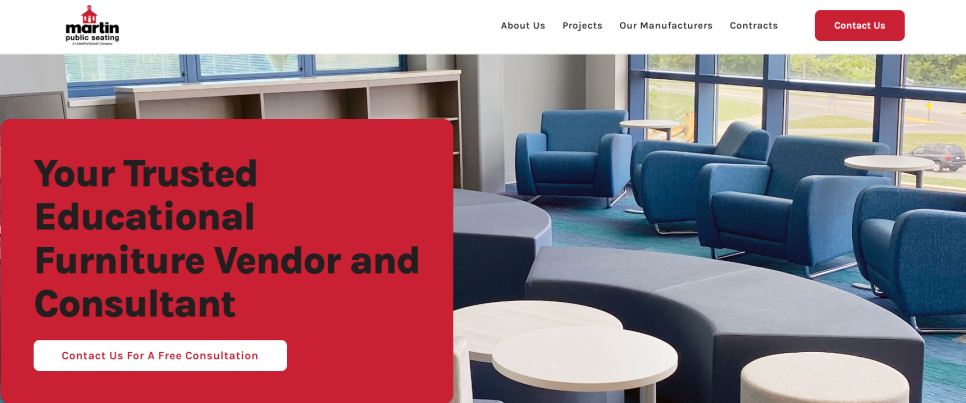
Martin Public Seating specializes in providing durable furniture solutions for institutional and civic environments. Their focus is primarily on the North American market, where they have built a reputation for delivering rugged, dependable seating for schools and government buildings. Their products often feature heavy-gauge steel frames and high-pressure laminates designed to withstand the rigors of high-traffic public use. While their aesthetic is more functional than avant-garde, their focus on “life-of-the-building” durability makes them a frequent choice for taxpayer-funded projects.
Pros: Reliable domestic support; high resistance to vandalism and wear; specialized in institutional environments.
Use Cases: Local government boardrooms, community resource centers, and public libraries.
3. Leadsun Seating
Leadsun Seating is recognized for its specialization in beam-style public seating, particularly for transit and large-scale waiting environments. Their 2026 catalog emphasizes the integration of modern technology into public infrastructure, with many models featuring built-in USB-C charging stations and IoT-ready maintenance sensors. Their designs often utilize PU (polyurethane) padding, which provides a balance of comfort and extreme durability, as it is resistant to moisture, stains, and punctures.
Pros: Strong focus on integrated technology; durable PU materials; efficient for large-scale seating layouts.
Use Cases: Municipal bus terminals, train stations, and high-volume government waiting rooms.
4. KI
KI is a prominent name in the furniture industry with a strong emphasis on sustainability and research-driven design. For municipal facilities, KI offers seating that supports “human-centric” design, focusing on how public spaces can influence user behavior and comfort. Their use of recycled polymers and eco-friendly manufacturing processes aligns with the increasingly strict environmental mandates of modern city governments. Their seating solutions are often lighter and more flexible than traditional beam seating, allowing for easier reconfiguration of public spaces.
Pros: Sustainable manufacturing; ergonomic flex-back designs; versatile and lightweight.
Use Cases: Modern government office interiors and flexible community meeting spaces.
5. Mobiliario
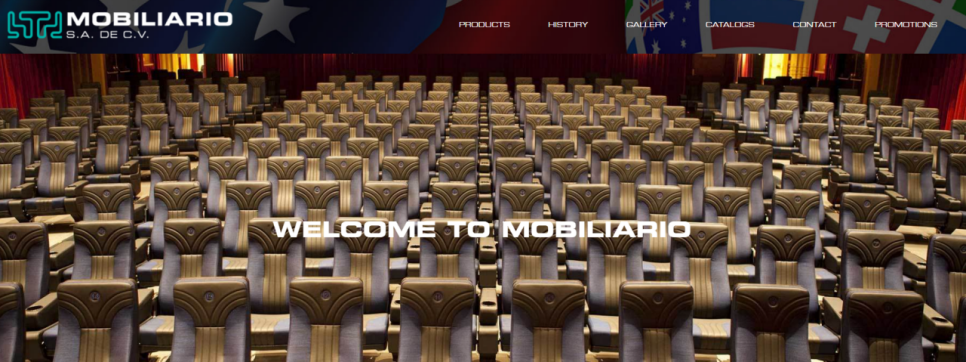
Mobiliario brings a focus on traditional craftsmanship and high-end fixed seating to the municipal market. Based in Mexico with a global reach, they are often chosen for prestigious public projects such as historic council chambers or municipal performing arts centers. Their seating frequently utilizes rich wood veneers and premium upholstery, providing a level of dignity and permanence that is required for high-level civic functions. Despite the classic appearance, they integrate modern acoustic technology to ensure that sound is managed effectively in large assembly halls.
Pros: Elegant aesthetic for formal environments; superior acoustic properties; high-quality wood and fabric finishes.
Use Cases: Historic city halls, municipal theaters, and legislative assembly rooms.
Identifying the most suitable manufacturer requires an understanding of the specific demands of the facility in question.
Strategic Factors for Municipal Procurement
When evaluating seating for public buildings, procurement officers should prioritize several technical factors to ensure the investment remains viable for its intended lifespan:
Maintenance Accessibility: In public environments, furniture is often subject to accidental damage or vandalism. Seating systems should allow for the replacement of individual parts—such as a single armrest or seat cushion—using standard tools. This modularity prevents the need to replace entire rows, significantly lowering the total cost of ownership.
Safety and Compliance: Public seating must adhere to stringent fire safety standards, such as CAL 133, and structural safety codes. Furthermore, 2026 standards require that public seating accommodates a wide range of body types and physical abilities, making ADA compliance a non-negotiable factor in the procurement process.
Material Resilience: For high-traffic areas, metal components (aluminum or steel) and high-density polymers are preferred over wood or standard plastic. These materials resist the chemical cleaners necessary for maintaining public hygiene and are less likely to show signs of wear after years of constant contact.
The procurement process is most successful when it aligns the manufacturer’s strengths with the specific functional goals of the building.
Final Verdict
The ideal choice of seating manufacturer depends heavily on the specific nature of the municipal facility. For high-volume transit hubs and busy government service centers where durability and ease of repair are the primary concerns, Leadcom Seating provides the most robust and modular solutions. If the project involves a historic building or a formal legislative chamber requiring a high degree of aesthetic prestige, Mobiliario is the preferred option for its traditional craftsmanship. For smaller community centers or government offices focusing on environmental goals and flexibility, KI offers the most appropriate sustainable and versatile seating systems.
Frequently Asked Questions
Q: How do municipal seating requirements differ from standard office furniture?
A: Municipal seating must meet higher durability and safety standards, as it is used by the general public rather than a controlled group of employees. This includes stricter fire ratings, higher weight capacities, and materials that can withstand aggressive cleaning protocols.
Q: What is the benefit of beam seating in public waiting areas?
A: Beam seating allows for multiple seats to be mounted on a single horizontal support, which simplifies floor cleaning and maintenance. It also ensures that seating rows remain aligned and cannot be easily moved or displaced by the public.
Q: Are there specific standards for courtroom seating?
A: Yes. Courtroom seating must account for long periods of sitting and often requires integrated acoustic management to ensure that proceedings can be heard clearly. It also frequently needs to be fixed to the floor for security and architectural reasons.
Caroline Gill
A writer, blogger, and traveler. Being creative and making things keep me happy is my life motto.