
Effective management of energy requires robust hardware that can withstand diverse environmental conditions while maintaining operational integrity. For professionals engaged in solar and energy storage system (ESS) projects, the selection of appropriate equipment is vital for long-term project viability. The modern energy storage cabinet serves as the backbone of these installations, housing critical components that ensure power availability and system efficiency.
Technical Specifications and Implementation
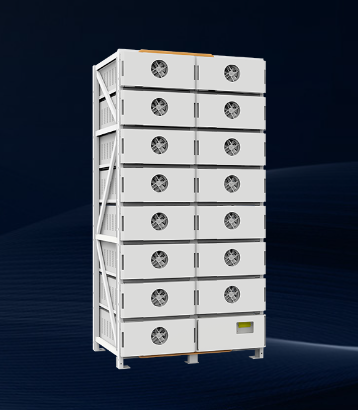
Engineers often prioritize systems that offer modularity and high safety standards. When they evaluate an energy storage cabinet, they examine features such as ingress protection ratings and the quality of the battery management systems. For instance, certain outdoor units incorporate lithium-ion technology with IP54 protection, which safeguards internal electronics from external elements. Such units are designed to integrate seamlessly with bidirectional inverters and battery racks, providing a stable foundation for projects ranging from small commercial applications to larger industrial scales.
Atess provides specialized hardware tailored for these requirements, ensuring that each component contributes to a reliable power architecture. They offer solutions that accommodate various capacity needs, allowing technicians to scale their energy infrastructure according to specific project demands. By utilizing Atess technology, system designers can maintain consistency across their deployments, as the equipment is built to support complex charge and discharge management functions effectively.
Operational Benefits for Solar Integration
The integration of solar arrays with storage capacity necessitates precise control mechanisms to handle fluctuating energy production. A high-quality battery cabinet assists in aggregating current distribution from multiple battery racks, facilitating efficient energy scheduling. By employing advanced three-level battery management systems, these cabinets provide necessary monitoring that preserves the service life of the cells.
When deploying these systems, the objective remains to stabilize backup power and improve overall energy efficiency. Professionals who implement these standardized solutions often find that the modular design simplifies the installation process, reducing the time required for site deployment. As the energy sector evolves, the focus remains on building resilient infrastructures that support reliable power generation and consumption for commercial and industrial users.
Investment in dependable hardware is fundamental for the performance of renewable energy systems. By focusing on durable enclosures and integrated management systems, professionals can ensure that their solar and storage projects operate within expected parameters. The current array of technical options provides the necessary tools for achieving stable and efficient energy management across various operational environments.